
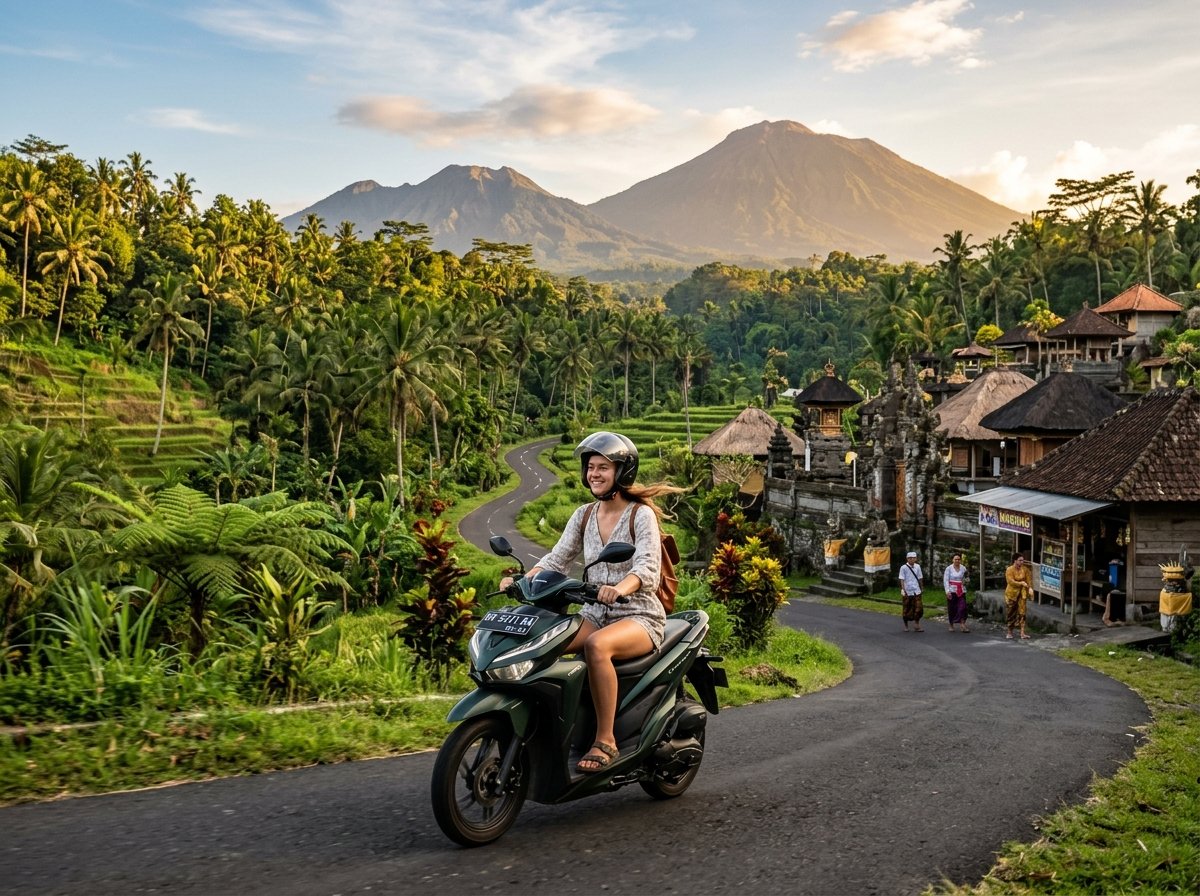
Planning a trip to Bali is exciting, but it can also feel overwhelming if you’ve never visited Indonesia before. Known as the “Island of the Gods,” Bali attracts millions of travelers every year with its breathtaking beaches, ancient temples, lush rice terraces, luxury resorts, vibrant nightlife, and welcoming culture. Whether you’re dreaming of watching the sunrise from a volcano, relaxing in a private villa overlooking tropical forests, surfing world-famous waves, or experiencing centuries-old traditions, Bali offers something for every type of traveler.
Unlike many tropical destinations, Bali is more than just beautiful scenery. The island combines rich cultural heritage with modern tourism, allowing visitors to enjoy authentic local experiences while still having access to luxury accommodations, international restaurants, beach clubs, and wellness retreats. It is one of the few places where you can spend the morning hiking an active volcano, enjoy lunch overlooking emerald-green rice terraces, relax at a beachfront infinity pool in the afternoon, and watch a traditional Balinese dance performance after sunset.
For travelers from the United States, planning ahead is essential. Understanding visa requirements, choosing the right region to stay in, preparing your travel budget, and learning a few local customs can make your vacation smoother and far more enjoyable. This complete Bali travel guide covers everything you need to know before your trip, helping you avoid common mistakes while making the most of your time on one of Southeast Asia’s most famous islands.
Why Visit Bali?
Bali consistently ranks among the world’s best travel destinations because it offers an incredible variety of experiences within a relatively small island. Every traveler can create a completely different vacation depending on their interests.
Adventure seekers can climb Mount Batur before sunrise, raft through jungle rivers, explore hidden waterfalls, dive alongside manta rays, or surf some of the world’s most famous waves. Couples often choose Bali for honeymoon vacations thanks to its luxury villas, romantic beachfront dinners, and spectacular sunsets. Families appreciate the island’s friendly atmosphere, wildlife parks, calm beaches, and cultural attractions, while digital nomads enjoy reliable internet, affordable living costs, and countless coworking spaces.
One of Bali’s greatest strengths is its affordability. Compared with destinations such as Hawaii, the Maldives, or the Caribbean, Bali offers exceptional value for money. Luxury hotels, private pool villas, fine dining restaurants, and personal drivers cost significantly less than they would in many Western countries, allowing travelers to enjoy premium experiences without spending a fortune.
Best Time to Visit Bali
Bali has a warm tropical climate throughout the year, with average daytime temperatures ranging from 80°F to 89°F (27°C to 32°C). Rather than four seasons, the island experiences two primary weather patterns: the dry season and the rainy season.
Dry Season (April to October)
The dry season is widely considered the best time to visit Bali. Sunshine is plentiful, humidity is lower, and rainfall is minimal. These conditions make it ideal for outdoor adventures such as hiking, sightseeing, diving, snorkeling, surfing, and exploring temples.
Travelers visiting during this period can expect clear skies, comfortable evenings, and spectacular sunsets along Bali’s western coastline. Popular attractions such as Uluwatu Temple, Tegallalang Rice Terraces, and Nusa Penida are at their best during these months.
However, this is also the busiest travel season. Hotels often book months in advance, beach clubs become crowded, and flight prices increase considerably during summer holidays.
Rainy Season (November to March)
The rainy season brings higher humidity and regular tropical showers. Fortunately, rainfall usually comes in short but intense bursts rather than lasting throughout the day.
There are several advantages to visiting Bali during this period. Hotels frequently offer substantial discounts, tourist attractions become less crowded, and the island’s forests and rice terraces become even greener and more vibrant.
The downside is that heavy rain may occasionally interrupt outdoor activities, ocean visibility for diving decreases, and some western beaches experience seasonal marine debris carried by ocean currents.
Entry Requirements
Before booking your flights, ensure your passport remains valid for at least six months beyond your arrival date in Indonesia.
Most visitors from the United States are eligible for a Visa on Arrival, which permits a stay of up to 30 days and can generally be extended once for another 30 days if necessary.
International visitors are also required to pay Bali’s tourist levy, a small environmental and cultural preservation fee introduced to support the island’s heritage and infrastructure.
To make your arrival smoother, complete all required online arrival forms before departure and save any QR codes on your smartphone for easy access when passing through immigration.
Planning Your Budget
One of the reasons Bali remains so popular is that it accommodates nearly every travel budget.
Backpackers can comfortably travel for around $50 per day by staying in guesthouses, eating at local restaurants, and using scooters for transportation. Mid-range travelers typically spend between $100 and $200 daily, while luxury travelers may spend $400 or more enjoying premium villas, fine dining, private drivers, and exclusive experiences.
Accommodation choices vary dramatically across the island. Budget hostels may cost less than $20 per night, while luxury beachfront resorts can exceed $500 per night. Private pool villas, one of Bali’s signature experiences, often provide remarkable value compared with similar properties elsewhere in the world.
Dining is equally affordable. Local Indonesian meals frequently cost less than $5, while international restaurants generally charge between $10 and $30 per person. High-end fine dining experiences remain considerably cheaper than comparable restaurants in the United States.
Transportation costs are also reasonable. Hiring a private driver for an entire day often costs less than what many travelers spend on a few taxi rides in major American cities.
Where to Stay in Bali
Choosing the right location is one of the most important decisions you’ll make while planning your trip. Because traffic congestion can be significant, staying close to the attractions you plan to visit will save valuable vacation time.
Ubud
Located in Bali’s central highlands, Ubud serves as the island’s cultural and spiritual center. Surrounded by rice terraces, forests, rivers, and traditional villages, it provides a peaceful escape from the busy coastal areas.
Visitors come to Ubud to explore the Sacred Monkey Forest, visit ancient temples, experience traditional Balinese dance performances, attend yoga retreats, and enjoy luxury jungle resorts.
Ubud is particularly popular with honeymooners, wellness travelers, photographers, artists, and anyone seeking a slower pace of life.
Canggu
Canggu has transformed from a quiet surfing village into one of Bali’s trendiest destinations. Modern cafés, beach clubs, boutique shops, coworking spaces, and luxury villas attract young travelers and digital nomads from around the world.
The area offers excellent surfing conditions for beginners and intermediate surfers while maintaining a vibrant social atmosphere both day and night.
Seminyak
Seminyak combines luxury with convenience. Visitors will find upscale shopping, international restaurants, stylish beach clubs, and elegant resorts within a compact area.
Its central location makes it an excellent base for exploring southern Bali while enjoying premium accommodations and nightlife.
Uluwatu
Situated on dramatic limestone cliffs overlooking the Indian Ocean, Uluwatu is famous for breathtaking scenery and some of the island’s best surfing beaches.
Luxury cliffside resorts, spectacular ocean views, hidden beaches, and the famous Uluwatu Temple make this region one of Bali’s most memorable destinations.
Honeymooners and travelers seeking peaceful luxury often choose Uluwatu over busier areas such as Seminyak or Canggu.
Sanur
Sanur offers a quieter alternative to Bali’s more energetic beach towns. Calm waters, family-friendly beaches, cycling paths, and relaxed resorts make it an excellent choice for families, retirees, and travelers seeking a slower pace.
Unlike the large waves found on Bali’s western coast, Sanur’s protected shoreline is ideal for swimming and paddleboarding.
Top Attractions You Shouldn’t Miss
Bali is filled with incredible attractions that combine natural beauty, history, and culture. While every traveler will have different interests, several destinations should be on every first-time visitor’s itinerary.
Tegallalang Rice Terraces
Located just outside Ubud, the Tegallalang Rice Terraces are among the most photographed landscapes in Indonesia. These emerald-green fields showcase Bali’s traditional irrigation system, known as Subak, which has been recognized by UNESCO for its cultural importance.
Visit early in the morning to avoid crowds and enjoy cooler temperatures. Several cafés overlook the terraces, making them excellent places to relax while taking in the scenery.
Uluwatu Temple
Perched on a dramatic limestone cliff nearly 230 feet above the Indian Ocean, Uluwatu Temple is one of Bali’s most sacred sea temples. Besides its spiritual significance, it offers spectacular sunset views and hosts the famous Kecak Fire Dance every evening.
Be cautious of the monkeys that live around the temple, as they are known for grabbing sunglasses, hats, and mobile phones.
Sacred Monkey Forest Sanctuary
The Sacred Monkey Forest in Ubud is home to hundreds of long-tailed macaques living among ancient temples and towering banyan trees. Visitors can walk through peaceful forest paths while observing the monkeys in their natural habitat.
Although the monkeys are accustomed to tourists, avoid feeding or teasing them, and keep valuables secure.
Mount Batur
Adventure lovers shouldn’t miss a sunrise hike to Mount Batur. Guided treks usually begin around 2:00 a.m., allowing hikers to reach the summit before sunrise.
Watching the sun rise over the surrounding mountains and Lake Batur is one of the most unforgettable experiences in Bali.
Nusa Penida
Only a short boat ride from Bali, Nusa Penida has become famous for its dramatic cliffs, crystal-clear waters, and stunning beaches.
Popular attractions include:
- Kelingking Beach
- Angel’s Billabong
- Broken Beach
- Crystal Bay
- Manta Point
Many visitors take a day trip, although staying overnight allows more time to explore without rushing.
Getting Around Bali
Transportation in Bali is very different from what many American travelers expect. Public transportation is limited, and traffic congestion is common in popular tourist areas.
Hire a Private Driver
For sightseeing, hiring a private driver is one of the smartest decisions you can make. Drivers are familiar with local roads, know the best attractions, and often recommend hidden gems that many tourists never discover.
A private driver usually costs between $45 and $65 per day, making it an affordable option for couples and families.
Ride-Hailing Apps
Grab and Gojek are Bali’s most popular ride-hailing services. Similar to Uber and Lyft, these apps provide transparent pricing and convenient transportation throughout major tourist areas.
They are ideal for short trips between restaurants, beaches, shopping areas, and hotels.
Scooter Rentals
Scooters are the most common form of transportation in Bali and offer flexibility for experienced riders.
However, visitors should remember:
- Traffic drives on the left side.
- Roads can be narrow and crowded.
- Wear a helmet at all times.
- Carry an International Driving Permit if required.
- Confirm your travel insurance covers motorcycle accidents.
If you have little riding experience, hiring a driver is a much safer option.
What to Eat in Bali
Bali’s food scene combines traditional Indonesian flavors with international cuisine from around the world.
Some local dishes you should try include:
Nasi Goreng
Indonesia’s famous fried rice dish is served almost everywhere. It’s typically prepared with vegetables, egg, chicken, shrimp, or beef and topped with crispy crackers.
Mie Goreng
This delicious fried noodle dish is another local favorite and makes an excellent lunch or dinner.
Babi Guling
Often called Bali’s signature dish, Babi Guling is slow-roasted pork seasoned with traditional spices and herbs.
Satay
Grilled meat skewers served with peanut sauce are one of Indonesia’s most popular street foods.
Ayam Betutu
This slow-cooked chicken dish is marinated with aromatic spices before being wrapped and roasted for several hours.
Fresh tropical fruits such as mangoes, dragon fruit, mangosteen, papaya, and rambutan are also widely available throughout the island.
Cultural Etiquette
Balinese culture is deeply rooted in Hindu traditions, and showing respect for local customs will greatly enhance your experience.
When visiting temples:
- Cover your shoulders and knees.
- Wear a sarong if required.
- Remove shoes where instructed.
- Speak quietly.
- Never climb on temple structures.
You will also notice small offerings made from flowers and palm leaves placed on sidewalks and entrances. These daily offerings are sacred and should never be stepped on.
Greeting locals with a smile and showing patience during religious ceremonies demonstrates respect for Balinese culture.
Health and Safety Tips
Bali is generally considered a safe destination, but taking sensible precautions will help ensure a smooth trip.
Drink Safe Water
Avoid drinking tap water. Use bottled or filtered water for drinking and brushing your teeth.
Protect Yourself from the Sun
The tropical sun can be much stronger than many visitors expect.
Wear sunscreen, sunglasses, lightweight clothing, and drink plenty of water throughout the day.
Watch Your Belongings
Petty theft is uncommon but can occur in crowded tourist areas.
Keep your valuables secure, avoid displaying expensive jewelry, and use hotel safes whenever possible.
Buy Travel Insurance
Medical treatment at private hospitals is excellent, but costs can be expensive without insurance.
Choose a policy that covers:
- Medical emergencies
- Trip cancellations
- Adventure activities
- Lost luggage
- Emergency evacuation
Common Mistakes First-Time Visitors Make
Many travelers make simple mistakes that can easily be avoided.
Some of the most common include:
- Trying to visit the entire island in just a few days.
- Underestimating travel times because of traffic.
- Drinking tap water.
- Renting scooters without experience.
- Forgetting travel insurance.
- Ignoring local customs at temples.
- Booking accommodations too late during peak season.
- Carrying too much cash.
Planning ahead allows you to enjoy your vacation without unnecessary stress.
Pros and Cons of Visiting Bali
Pros
- Affordable luxury accommodations
- Beautiful beaches and landscapes
- Rich cultural experiences
- Friendly local people
- Excellent food
- World-class surfing
- Incredible sunsets
- Great value for money
Cons
- Heavy traffic in busy tourist areas
- Crowded attractions during peak season
- Seasonal rainfall
- Limited public transportation
- Some beaches experience seasonal plastic debris
Frequently Asked Questions
Is Bali expensive?
No. Bali is generally considered one of the most affordable tropical destinations, offering excellent value for accommodations, food, and transportation.
How many days should I spend in Bali?
A first-time visitor should plan at least seven to ten days to experience different regions without feeling rushed.
Is Bali safe for solo travelers?
Yes. Bali is considered one of Southeast Asia’s safest tourist destinations, although normal travel precautions should always be followed.
Can I use my credit card?
Major hotels, restaurants, and shopping centers accept credit cards, but carrying some Indonesian Rupiah is recommended for smaller businesses.
Do I need vaccinations?
Consult your healthcare provider before traveling to determine which routine travel vaccinations are recommended.
Can I drink the tap water?
No. Drink bottled or filtered water instead.
Is English widely spoken?
Yes. English is commonly spoken in hotels, restaurants, tourist attractions, and most popular travel destinations.
When is the cheapest time to visit?
The rainy season, from November through March, usually offers the lowest hotel prices and fewer tourists.
Is Bali suitable for families?
Absolutely. Family-friendly resorts, calm beaches, cultural attractions, and outdoor activities make Bali an excellent destination for travelers with children.
Should I tip in Bali?
Tipping is appreciated but not mandatory. Many restaurants already include a service charge.
Final Thoughts
Bali is more than a tropical island—it is a destination that leaves a lasting impression on nearly everyone who visits. From ancient temples and emerald rice terraces to luxury beach resorts and vibrant local traditions, every corner of the island offers something unique. Whether you’re looking for adventure, relaxation, cultural experiences, or unforgettable food, Bali delivers an experience that is difficult to match anywhere else in the world.
The best way to enjoy Bali is to travel at a comfortable pace. Rather than trying to see everything in a few days, spend time exploring different regions, connecting with local culture, and appreciating the island’s natural beauty. Plan ahead, respect local customs, stay flexible, and leave room in your itinerary for unexpected discoveries.
With thoughtful preparation and an adventurous spirit, your first visit to Bali is likely to become the first of many. It’s a destination that continues to inspire travelers long after they return home, making it one of the world’s most rewarding places to explore.
